
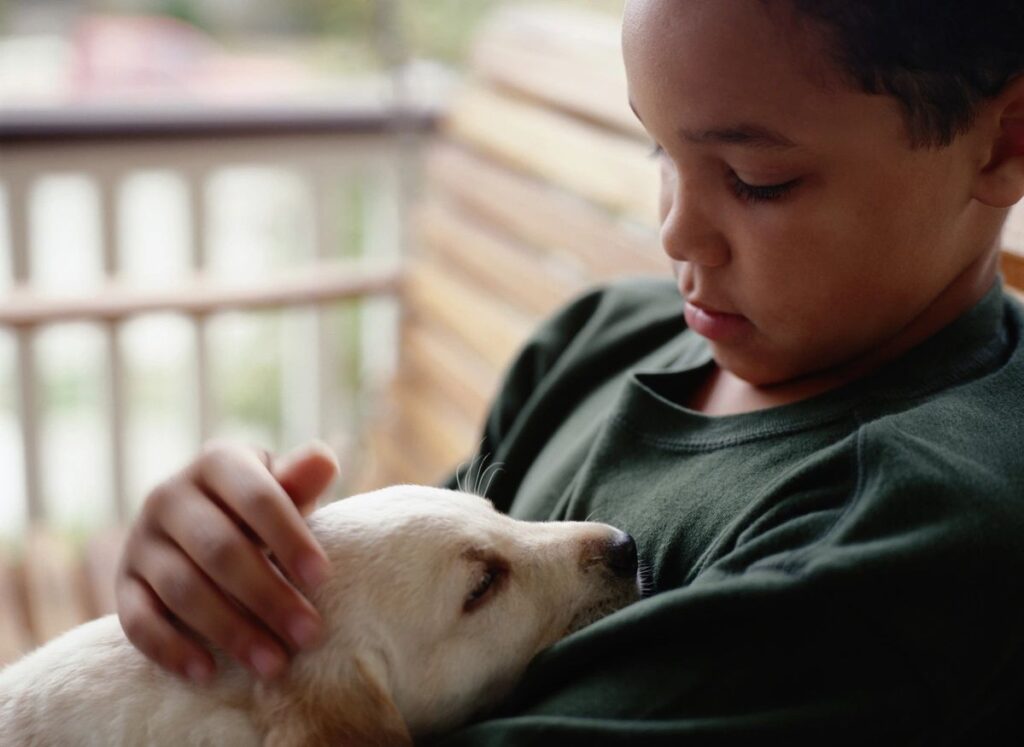
Bringing home a new puppy is exciting. You may already be a little obsessed, posting too many photos of them on your Insta story, and impulse-buying doggy snacks on Amazon. If you’re a first-time pet owner, you’re probably also equal parts in love and unprepared.
From unfamiliar surroundings to new people, your puppy is experiencing a major transition. How you handle this initial period can shape their comfort, behaviour, and adjustment in the days to come.
At Pet’s Paradise, many first-time pet parents reach out with concerns during this phase, often unsure what’s normal and what requires attention.
The first few hours: settling in
Your fur baby has just experienced a big life change: brand new home, new people, new smells, all at once. It’s a lot.
They may seem anxious, unusually quiet, or even a little overwhelmed, and that’s completely normal.
• Allow them to explore their new space at their own pace
• Keep the environment calm and quiet
• Avoid introducing too many people at once
• Provide a comfortable resting area
Some puppies may hide, while others may appear unusually energetic. Both are just different ways of saying the same thing: “I’m still figuring this all out.”
Eating and drinking
Don’t be alarmed if your puppy doesn’t eat much right away.
• Appetite may be reduced due to stress
• Offer the same food they were previously eating
• Ensure access to clean drinking water
• Avoid introducing new treats immediately
A slight delay in eating is common, but prolonged refusal should be monitored.
Sleep and behaviour
Puppies sleep a lot – often up to 16–18 hours a day. When they’re not asleep, they’re usually causing a little chaos in between.
That said, the first night can feel very different.
A new environment, unfamiliar sounds, and being away from their mother can make bedtime unsettling, so don’t be surprised if there’s some whining or crying.
• Set up a secure, comfortable sleeping space where they feel safe
• Try not to respond to every sound immediately, but do offer reassurance when needed
It’s a bit of a balance, giving them comfort without turning it into a habit.
Dr Ami Sanghavi notes that consistency and gentle reassurance go a long way during this phase. With time, your puppy will begin to settle, and those restless nights will turn into a more predictable routine.
Toilet training
Your puppy will not yet understand where to go. Accidents are part of the process (and yes, there will be more than a few).
• Take them to the designated toilet area frequently
• Watch for signs like sniffing or circling
• Use positive reinforcement when they go in the right place
• Avoid punishment for accidents
With a bit of patience (and a lot of consistency), your puppy will start to figure things out — and those early messes will quickly become part of the story you laugh about later.
The first vet visit
Even if your puppy appears healthy, an early veterinary check is important.
At Pet’s Paradise, first visits typically include:
✔️ General health examination
✔️ Vaccination planning
✔️ Diet and care guidance
✔️ Parasite prevention advice
Dr Ami Sanghavi recommends scheduling this visit within the first few days of bringing your puppy home.
A new puppy brings joy, warmth, and a few “what do I do now?” moments – and that’s all part of the fun. With patience and care, those first few days turn into the start of something really special.